
Adventure Travel Marketing: What actually works (and why most brands get it wrong)
I spent over a decade as a wilderness guide before I ever touched a content strategy document. I've accompanied guests through the Great Bear Rainforest on BC’s coast, led whale watching tours around the southern coast of Vancouver Island, and watched countless guests have travel experiences that genuinely left them speechless.
That background is what led me to my current role as a digital marketing strategist for outdoor and adventure travel brands. And it's also why I'm a little skeptical every time I see a generic marketing agency claim they "serve the outdoor industry."
Here's the thing about adventure travel marketing: it only works when it comes from a place of real understanding. Your audience has a finely tuned radar for inauthenticity. They've likely done a ton of their own research. They've read your trip reports, watched your reels, compared the itineraries. By the time they land on your website or open your email, they already know what a mediocre experience looks like. They're deciding whether yours is the real thing.
That's a very different buyer than someone shopping for a new purse or choosing a restaurant.
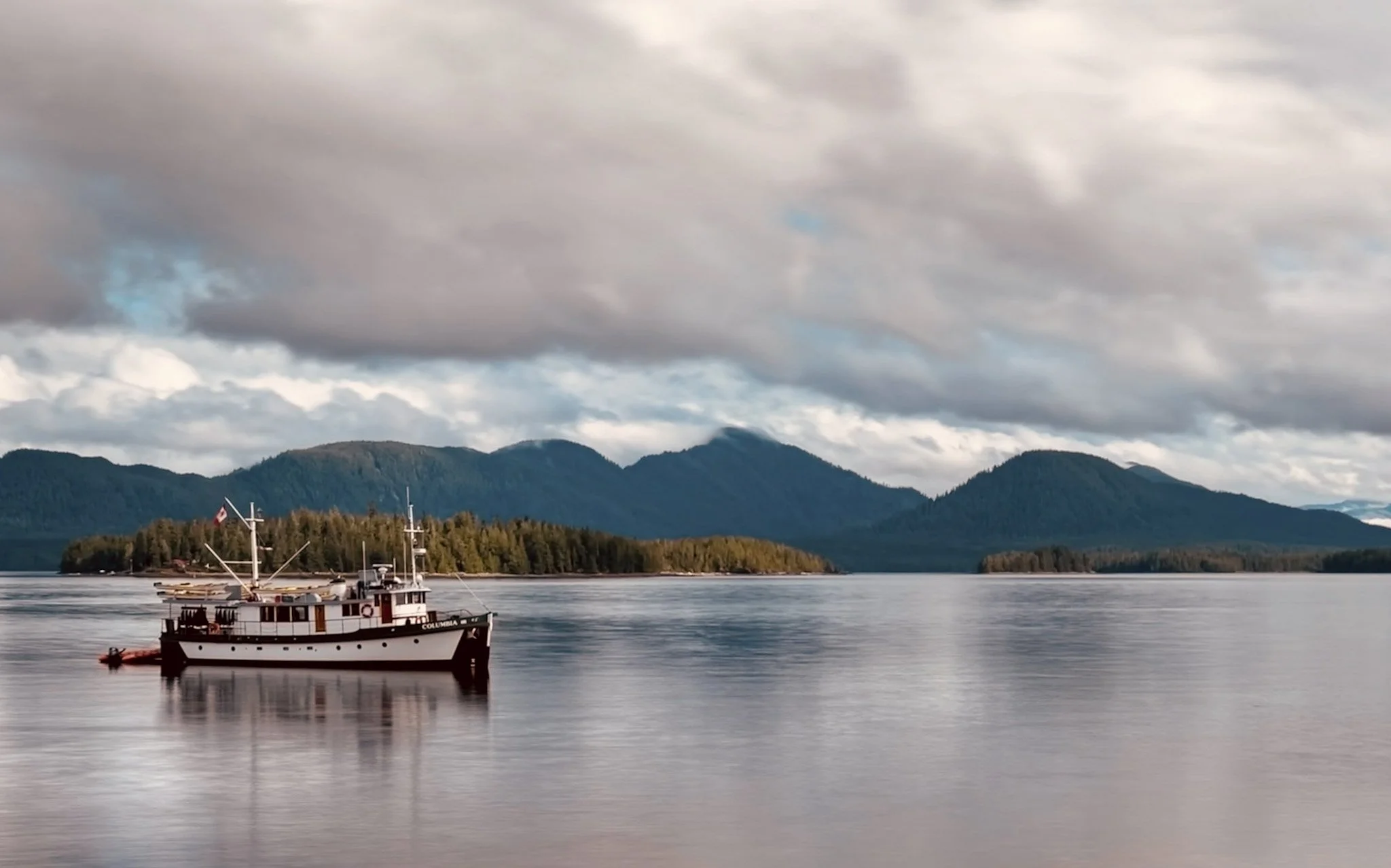
Photo credit: Mothership Adventures
Travel audiences buy on emotion. Your marketing strategy has to follow.
Adventure travel and outdoor brands sit in a strange marketing middle ground. Your audience's buying decision is deeply emotional, but the research process is intensely rational. Someone dreaming about a kayaking expedition through Broughton Archipelago Marine Provincial Park is picturing bioluminescence, travelling orca pods, and the smell of the BC coast in the morning. But before they book their trip, they're reading every word of your website, combing your social media feed, scouring your reviews pages, and looking for trust signals that tell them you're worth the investment.
For example, when I worked with Mothership Adventures, a boutique expedition kayaking company running trips along BC's remote coast, their original website wasn't capturing any of that. The layout was cluttered, the copy functional, the images small. Nothing about it matched the actual experience of being on the Columbia III. We rebuilt the entire digital presence around storytelling first. Deep green for the ship's iconic paint. Brass accents pulled from 1956 fixtures. Copy that brought you on board before you'd even inquired.
The result is a website that immerses visitors in the adventure before they've even made an inquiry. Stunning visuals, intuitive navigation, and copy that does the emotional heavy lifting so that by the time someone reaches out, they're already sold on the experience.

Why generalist marketing agencies fall short for adventure travel brands
A lot of outdoor brands end up working with generalist marketing agencies because that's what comes up when you search for marketing help online. And generalist agencies are perfectly capable of producing content. They'll write blog posts, manage your social, build you an email list from the ground up.
But they're learning your market while spending your budget. They don't know the difference between the kind of traveller who books a guided multi-day and the one who shows up with their own gear. They don't understand seasonality in adventure tourism, or why your September email campaign needs to feel completely different from your February one. They haven't stood in a base camp at altitude or led a group through a weather window that closed too fast.
That gap shows in the content. And your audience, who has spent months researching their next adventure, will feel it immediately.

What outdoor and adventure travel content strategy actually looks like
When we take on a new client, we're not starting from a template. We're learning how your guests talk about their experiences, what made them choose you over someone else, and what they tell their friends afterward. That's the foundation for raw, emotion-driven marketing material.
From there, the work looks different depending on what your business needs.
For some brands, it's a website rebuild centred on a storytelling framework. For others, it's an email marketing strategy built around the dreaming and planning phases of your booking cycle, where the relationship forms long before anyone hits a "book now" button. For others still, it's a consistent content engine: SEO-optimized blog posts that bring the right people in through search, social content that keeps audiences engaged, and a distribution plan that makes sense.
The common thread is that every touchpoint is connected. Email, social, website, blog, campaigns — when each component is built around the same story, campaign, and the same understanding of your audience, your results will compound.
The Long Game: How content marketing helps adventure travel brands win bookings
Adventure travel buyers don't impulse purchase. They sit with a trip for months, maybe even years. They’ll save your blog post, revisit it, send it to their family or friend, and come back to it after a rough week at work. The brands that win are the ones that stay present throughout that whole window, not just when someone's ready to book.
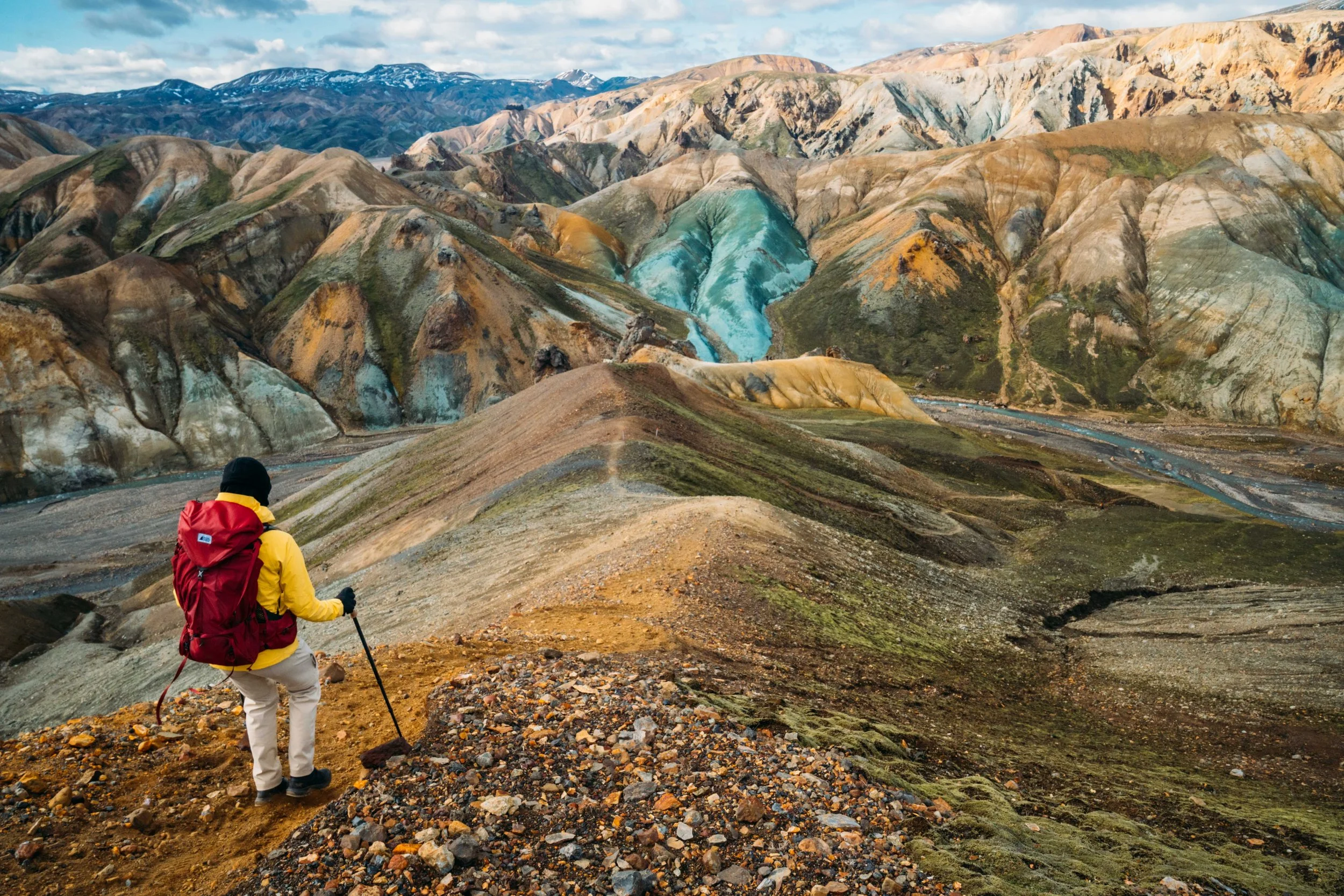
We see the long-form buying cycle all the time with our adventure travel clients. Amarok Adventures is a great example, an Iceland-based expedition company running multi-day hiking tours through some of the most remote landscapes on earth. When we came on board, their photos and videos were incredible, but their written content and general strategy weren't keeping pace. The brochures, website copy, and blog were functional but not inspiring. The tone described the trips without transporting you into them. We developed a full content and writing strategy from the ground up, crafting a voice that matched the scale of what they were actually offering.
The results were immediate in some ways and long-term in others. For two years in a row, their Greenland expedition sold out in under 48 hours. But the more important shift was structural: guests started citing the brochures, blog posts, and ongoing social media campaigns as the reason they chose Amarok Adventures over other operators. The omni-channel marketing content was doing the relationship-building work over a long-term consideration window, quietly keeping Amarok Adventures top of mind when the buyer finally decided to book.
That's why we think about adventure travel content as a long game. A blog post that ranks for the right search term brings someone in during the dreaming phase. An email sequence nurtures them through the planning phase. A social reel reminds them why they wanted to go in the first place. Maybe another follow-up email or YouTube video is what it takes to finally get that audience member to convert into a paying guest. When those pieces are working together, you're not chasing leads. You're working hard to stay top of mind when the decision is finally made.
We track what's moving people through that cycle and refine from there.
When to hire a marketing agency for your adventure travel business
If you're a lodge owner, a tour operator, an expedition leader, or an outdoor brand founder who's doing all of their own marketing (on top of everything else), you already know the real cost. Not only is it a massive time investment, but there’s also the opportunity cost of content that goes out inconsistently, campaigns that never quite launch, an outdated website, and an email list you know you should be using more.
Owner-operator businesses in the outdoor and adventure travel space are almost always better off outsourcing their marketing. Running exceptional trips and running a content strategy at the same time is genuinely two full-time jobs. Something always gets deprioritized, and it's usually the marketing.
For larger outdoor and adventure travel businesses, the stakes are just as high, but the problem looks different. Generalist agencies can sometimes take your budget and apply a framework built for a completely different industry. They might miss the seasonal nuances, the booking psychology, the storytelling register that your audience actually responds to. Industry-specific expertise is the difference between marketing that performs and a content calendar that just keeps the lights on.
Working with a team that genuinely understands the adventure travel space means you don’t have to start from scratch. The learning curve is behind us, and what you get instead is a strategy that fits the way your audience actually thinks and buys, content that sounds like you, and a plan that holds together across every channel.
We've been lucky to work with some extraordinary clients in this space. Boutique expedition and adventure travel operators who are doing genuinely remarkable things. The ones who grow are the ones who invest in telling that story well.
If you're ready to stop piecing your marketing strategy together on your own, let’s have a chat.